

What are you looking for?
As a brand or retailer looking to source custom knitted phone bags, one of the most critical decisions you'll make is the choice of yarn. This single element dictates not only the look and feel of the final product but also its durability, cost, and market appeal.
At Maoze, with over 20 years of experience as a custom bag manufacturer, we guide our clients through this essential selection process. Here’s our professional breakdown of the most common yarn types and how to choose the perfect one for your product line.
The right yarn ensures your knitted phone bags are:
Commercially Durable: They can withstand shipping, handling, and daily use without pilling or breaking.
Consistently High-Quality: Essential for building a reputable brand and minimizing returns.
On-Brand: The texture, sheen, and drape of the yarn must align with your brand's aesthetic.
Cost-Effective: Impacts your final bulk price and profit margins.
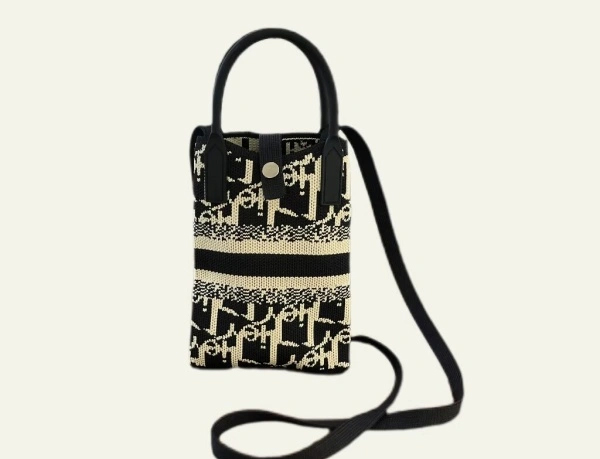
Characteristics: Synthetic, lightweight, soft, and available in a vast array of vibrant colors. It holds its shape well and is generally less expensive.
Pros: Highly durable, colorfast, hypoallergenic, and easy to care for. Ideal for achieving bright, consistent colors in bulk orders.
Cons: Lacks the premium breathability of natural fibers. Can be less eco-friendly (though recycled options are emerging).
Best For: Fashion-forward, budget-conscious collections, and high-volume promotional phone bags where color consistency and cost are key.
Characteristics: A natural fiber known for its softness, breathability, and matte finish. It feels substantial and high-quality.
Pros: Highly skin-friendly, absorbent, and provides excellent stitch definition, showcasing intricate patterns. It's biodegradable and has strong eco-appeal.
Cons: Can be heavier than acrylic, may stretch out of shape over time if not blended, and is often more expensive.
Best For: Brands targeting an eco-conscious, "natural living" audience. Perfect for creating a soft, cozy, and premium feel.
Characteristics: Often blended with acrylic or nylon, wool adds warmth, elasticity, and a distinctive, cozy texture.
Pros: Naturally elastic (helps the bag retain its shape), warm, and moisture-wicking. It creates a classic, artisanal, and high-end look.
Cons: Requires more careful washing, can be prone to pilling, and is typically the most expensive option. Pure wool may not be suitable for all climates.
Best For: Luxury or niche brands, winter collections, and products where a premium, textured, "handcrafted" aesthetic is the main selling point.
Characteristics: Made from post-consumer plastic bottles (rPET) or recycled cotton scraps. The feel can mimic virgin polyester or cotton.
Pros: Offers a powerful sustainability story for your marketing. rPET is particularly durable and water-resistant. Meets the growing demand for eco-friendly products.
Cons: Can have a higher initial cost and color options may be slightly more limited.
Best For: Brands built on a strong sustainability ethos. Ideal for marketing to environmentally aware consumers in Europe and North America.
When specifying yarn for your custom knitted phone bag, discuss these points with your manufacturer:
Target Audience & Price Point: Are you selling to budget-friendly fast-fashion retailers or eco-luxury boutiques?
Desired Aesthetic: Do you want a sleek, modern look (acrylic) or a soft, rustic feel (cotton)?
Durability Requirements: Will the bag be a durable daily accessory or a seasonal fashion item?
The Eco-Factor: How important is a sustainable narrative to your brand and customers?
Care Instructions: What washing and care requirements are your end-consumers willing to accept?
The best way to navigate these choices is to partner with a manufacturer that has expertise in multiple yarn types. At Maoze Bags, we don't just produce your design—we advise you on the best materials for your goals. If you are looking for personalized bags for sale, we can help you:
Source the right materials at competitive bulk prices.
Create yarn blends to balance cost, durability, and feel.
Test the final product to ensure it meets quality standards.
Don't leave this critical choice to chance. The best way to decide is to experience the materials firsthand.