

What are you looking for?
Canvas bags are no longer used only as simple promotional giveaways. For many retail brands, schools, outdoor groups, cafés, bookstores and corporate buyers, canvas bags have become part of the customer experience. A well-made canvas backpack, lunch bag or drawstring bag can carry a logo into daily life while still offering practical storage, comfort and repeated use.
A canvas bag manufacturer is a factory that produces canvas bags in customized styles, sizes, colors, printing methods and packaging formats for brands, retailers, wholesalers and promotional buyers.
This guide explains how to evaluate a canvas bag factory before placing a bulk order, with a focus on three common product directions: canvas backpacks, canvas drawstring bags and canvas lunch bags. Unlike Tyvek bags, which are often chosen for their paper-like texture and water-resistant synthetic structure, canvas bags are selected more often for their fabric feel, stitch strength, casual style and long-term brand use.

A reliable manufacturer should understand fabric, sewing, printing and bulk order control at the same time. Canvas looks simple, but small production decisions can affect how the final bag feels and performs. Fabric weight, seam reinforcement, handle strength, lining, drawstring quality and logo printing all matter when the bag is expected to be used repeatedly.
For buyers comparing factories, the first step is not asking for the lowest price. The better first step is to confirm whether the factory has experience with the exact product type you need. Maoze, for example, has separate product pages for canvas backpacks, canvas lunch bags and canvas drawstring bags, which is useful because each structure has different production details.
When shortlisting a factory, buyers should review:
Whether the factory has produced the same bag type before, such as backpacks, lunch bags or drawstring bags.
Whether the supplier can provide real samples instead of only mockups.
Whether printing, fabric color, lining, handles, drawstrings and packaging can be customized.
Whether the factory can explain the difference between promotional-grade and retail-grade construction.
Whether quality inspection is done before packing and shipment.
Canvas is commonly associated with cotton or cotton-blend fabric. The USDA notes that cotton accounts for about 25% of total world fiber use, which helps explain why cotton-based canvas remains familiar to buyers and end users.

Choosing the right canvas bag type depends on how the customer will use it. A backpack is different from a drawstring bag, and both are different from a lunch bag. The best manufacturer will help you match the product structure with the target audience and sales channel.
| Canvas Bag Type | Best For | Key Buyer Considerations |
| Canvas Backpack | Schools, travel, outdoor retail, lifestyle brands | Shoulder strap comfort, compartments, laptop or book capacity, reinforced seams |
| Canvas Drawstring Bag | Sports events, gyms, campus activities, promotions, casual retail | Drawstring strength, opening size, print area, lightweight structure |
| Canvas Lunch Bag | Food brands, cafés, office gifts, school lunch programs, lifestyle stores | Handle strength, food container space, lining option, easy-carry design |
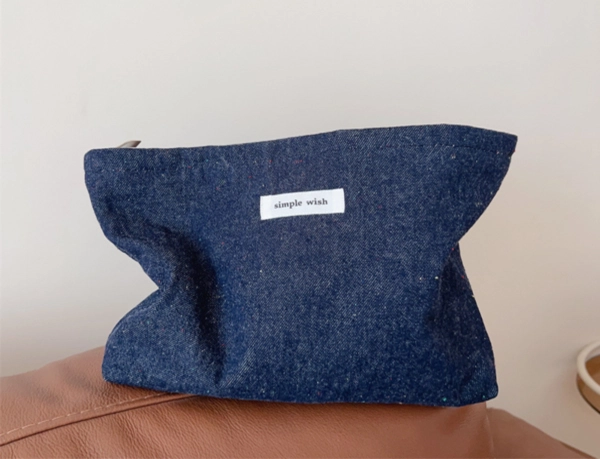
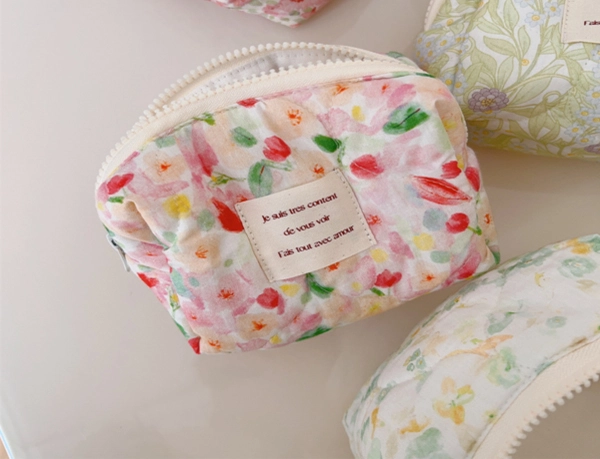
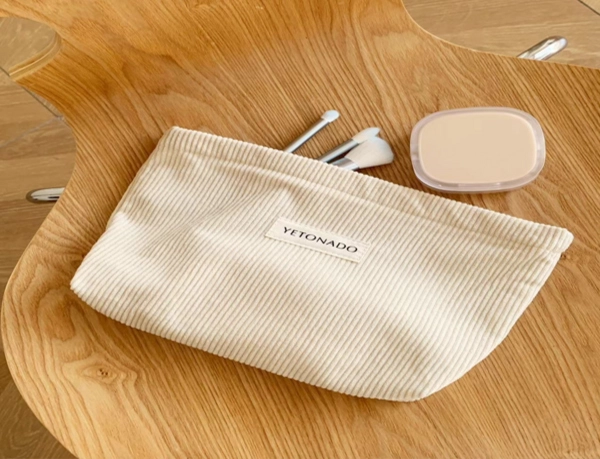
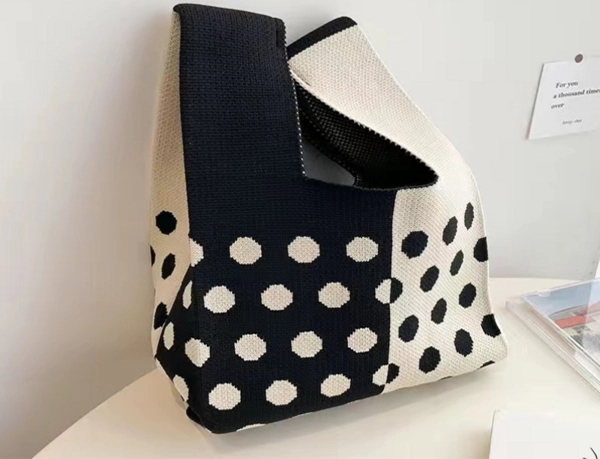
| Canvas Tote or Pouch | Retail packaging, bookstores, beauty brands, gift sets | Logo placement, fabric feel, handle length, packaging presentation |
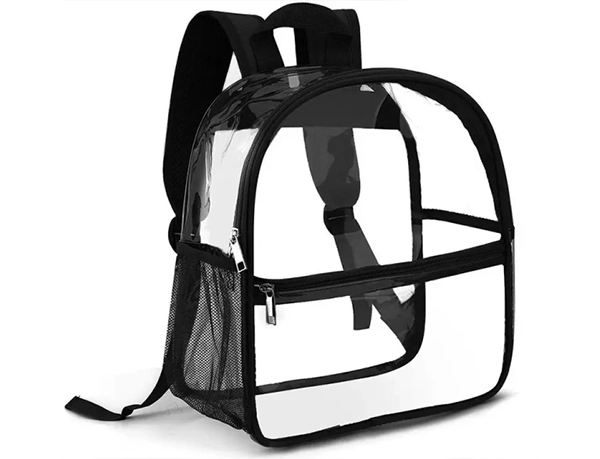
For brands that need everyday carry products, working with canvas backpack manufacturers can be more suitable than buying generic stock bags. Maoze's canvas backpacks are durable, breathable and suitable for books, laptops and daily essentials. Adjustable straps and organized compartments are important because backpack users care about comfort, not just appearance.
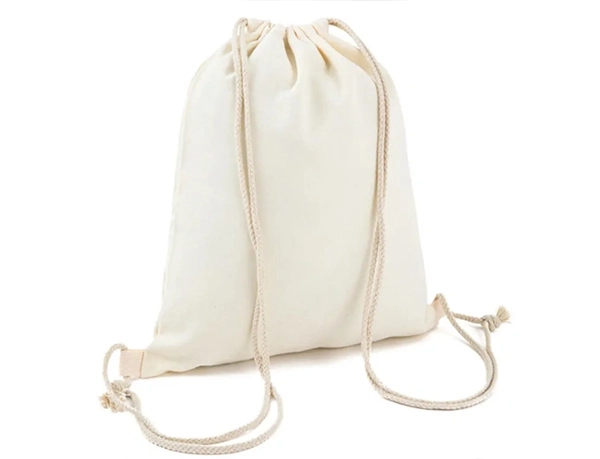
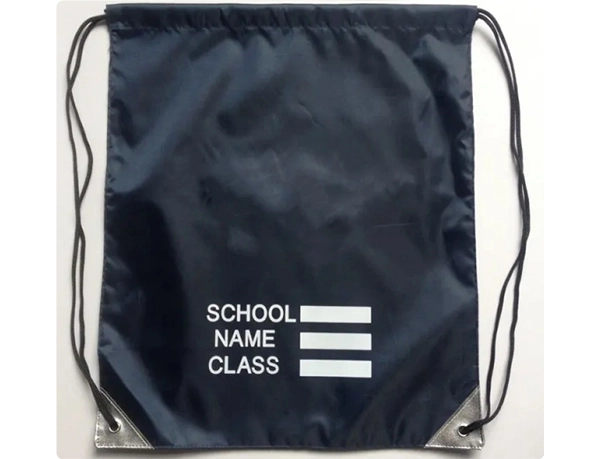
For promotional or lightweight retail use, a canvas drawstring bag manufacturer is often the better match. Drawstring bags are easy to distribute at events, sports clubs, schools and brand campaigns. For buyers, the main points to compare are storage space, drawstring strength, closure security and whether the bag is comfortable enough for gym clothes, books or daily items.

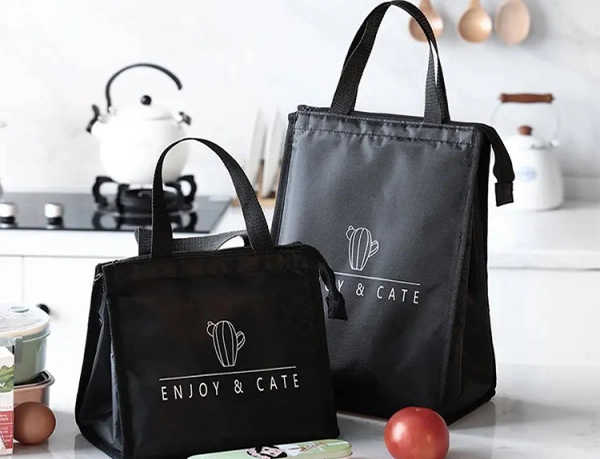
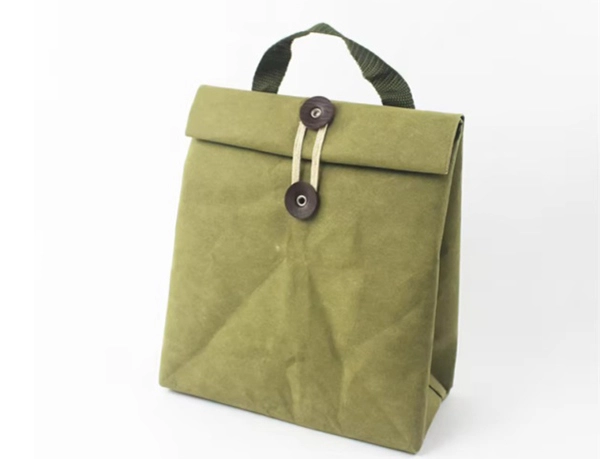
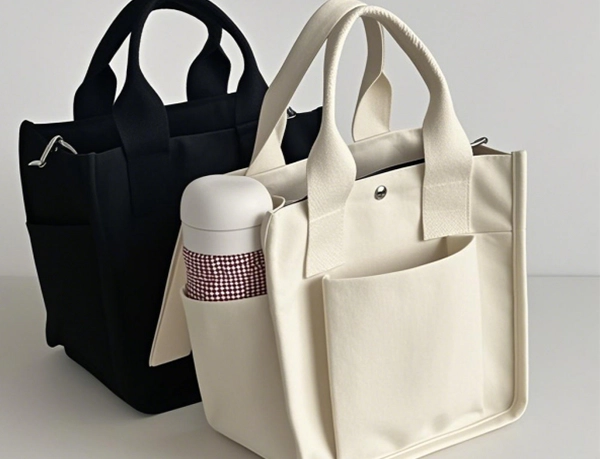
For food-related or office gift projects, choosing a canvas lunch bag factory makes sense. In this category, buyers should pay close attention to capacity, handle reinforcement, inner structure and daily-use scenarios such as work, school and outdoor meals. These details are more useful than simply comparing bag appearance, because a lunch bag needs to hold containers, drinks and daily meal items comfortably.

A successful custom order begins with a clear specification sheet. This reduces misunderstanding between the buyer, designer, factory sales team and production department. For canvas bags, the specification should define the product’s structure before the artwork is finalized.
Before sampling, confirm these details with the manufacturer:
Fabric type and feel: plain canvas, washed canvas, dyed canvas, recycled canvas or cotton-blend canvas.
Bag size: width, height, depth, handle length, strap length and usable capacity.
Functional parts: zipper, pockets, lining, drawstrings, buckle, reinforced bottom or insulated layer.
Branding method: screen printing, embroidery, woven label, leather patch, heat transfer or full-panel print.
Packing method: individual polybag, paper band, hangtag, carton packing or retail-ready packaging.
For backpacks, pay attention to stress points. Straps and handle joints should be reinforced because these areas carry the most load. For drawstring bags, test whether the rope moves smoothly and whether the top opening closes evenly. For lunch bags, the handle and inner space matter most. A beautiful lunch bag is not useful if it cannot fit normal containers or if the handle feels weak when filled.
Printing is another area where buyers should be specific. A small one-color logo may be simple, but a large design on canvas may require more careful placement and color testing. Canvas has a woven texture, so print results can look different from a digital mockup. The approved physical sample should become the reference for bulk production.
Many problems can be avoided before mass production. Buyers should not approve a canvas bag only by looking at a front-facing photo. A good sample review includes touch, weight, stitching, structure, print, packaging and actual use.
For a practical pre-production check, review:
Seams: check whether the stitching is straight, tight and reinforced at stress points.
Handles and straps: pull gently and test how the bag feels when loaded with realistic items.
Printing: compare logo color, position, sharpness and size with the approved artwork.
Hardware and closure: test zippers, buckles, drawstrings and pocket openings several times.
Packaging: confirm labels, hangtags, folding method, carton marks and barcode requirements.
Buyers should treat this kind of number as a product-specific claim and reconfirm it for their exact fabric, size and structure before ordering. A larger bag, different rope or heavier print coverage may change the final performance.
Choosing a canvas bag manufacturer is about matching product structure with real customer use. Backpacks need comfort and compartments, drawstring bags need secure closure and easy carrying, and lunch bags need capacity and reinforced handles. A reliable factory should help confirm materials, sampling, printing and quality checks before production, so the final bag supports both brand image and daily function.
Canvas drawstring bags and tote bags are usually suitable for promotions because they are easy to distribute, lightweight and visible in daily use. For higher-value campaigns, canvas backpacks or lunch bags can create stronger perceived value.
Yes. Canvas bags can work well for retail brands because they offer a natural fabric feel, a broad print area and multiple structure options. The final quality depends on fabric selection, stitching, logo application and packaging.
Yes. Canvas backpacks can be customized with compartments, adjustable straps, pockets, labels, embroidery and printed logos. Buyers should check strap comfort and storage layout before confirming bulk production.
Check the inner space, handle strength, lining option, closure style and whether the bag can hold common food containers and drinks. A sample test is important because lunch bags must be practical, not only attractive.
Cotton-based canvas uses a natural cellulose fiber, and Cotton Incorporated explains that cotton can biodegrade under suitable natural conditions. However, coatings, dyes, blends and disposal conditions can affect this, so broad environmental claims should be qualified.
Prepare a clear specification sheet, request a physical sample, approve printing and packaging before mass production, and ask the factory to inspect stitching, straps, closures and carton packing before shipment.